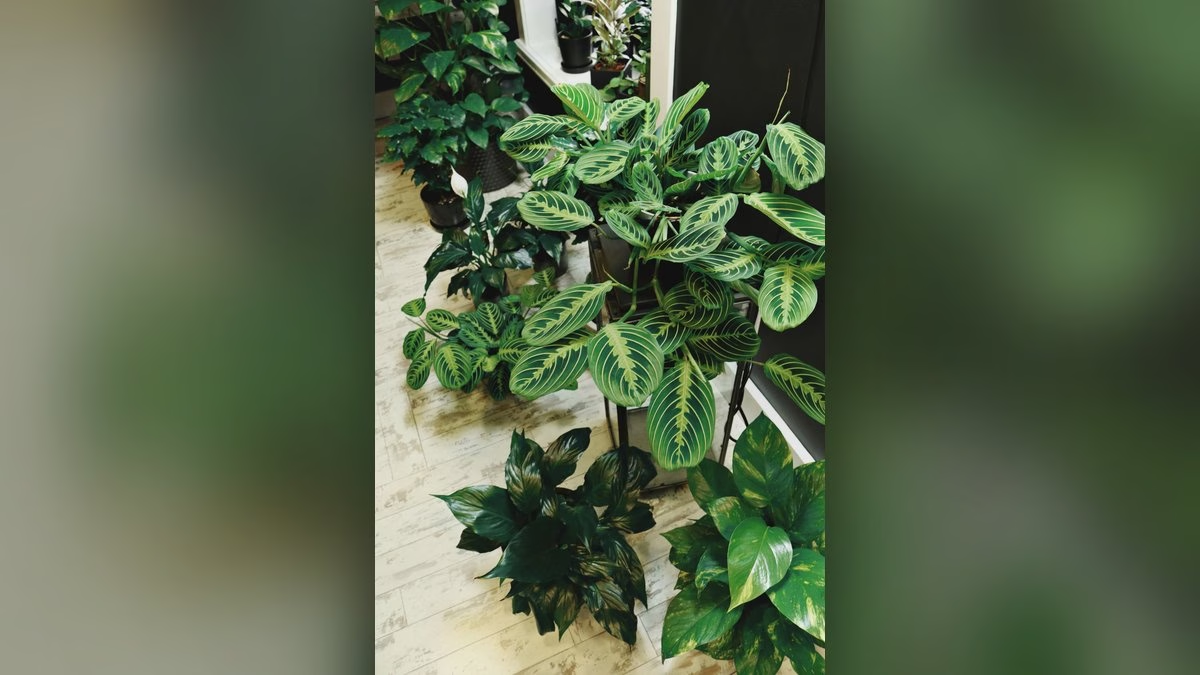
A dim corner does not have to stay empty. The best low light houseplants can bring texture and life to north-facing rooms, hallways, and offices, provided you match the plant to the actual light and adjust your care accordingly.
What “low light” really means indoors
Low light is not the same as no light. A plant still needs enough illumination to photosynthesize, even if it can tolerate a spot that feels gloomy to us. The University of Missouri Extension places low-light conditions at roughly 50 to 250 foot-candles. For perspective, that may describe a north-facing window, a place several feet from a brighter window, or a room lit mainly by reflected daylight.
A phone light-meter app can provide a useful comparison between locations, although it is not laboratory equipment. Measure near leaf height around midday, then check again on an overcast day. If you can comfortably read in the spot during the day without switching on a lamp, a tolerant foliage plant may manage there. If the corner remains cave-dark, add a small full-spectrum grow light on a timer rather than asking a plant to survive without usable light.
Five low light houseplants worth choosing
The following plants tolerate limited light better than many popular tropicals. “Tolerate” matters: growth may be slower, variegation may fade, and the plant will use water less quickly than it would in brighter indirect light.
- ZZ plant (Zamioculcas zamiifolia): Thick leaf stalks and underground rhizomes store water, making this architectural plant forgiving of missed waterings. Let much of the potting mix dry before watering again.
- Snake plant (Dracaena trifasciata): Upright leaves fit narrow corners and tolerate a broad range of indoor conditions. Penn State Extension recorded a snake plant in light as low as 25 foot-candles in its low-light houseplant demonstration, but brighter indirect light will support steadier growth.
- Golden pothos (Epipremnum aureum): Its trailing vines soften shelves and cabinet tops. Green-heavy cultivars usually adapt better to dim rooms than highly variegated forms. Pothos is also among our starter houseplants for larger homes.
- Cast iron plant (Aspidistra elatior): Broad, deep-green leaves and slow growth make this a patient choice for shaded floors. Clemson Cooperative Extension recommends a north-facing window or low-light area and watering after the soil dries two to three inches down.
- Chinese evergreen (Aglaonema): This compact foliage plant handles indirect, heavily shaded areas. Choose a mostly green cultivar for the darkest room; pink, cream, and strongly variegated selections generally need more light to retain their color.
How to place plants in dark corners
Begin as close to the available daylight as the room allows. A north-facing windowsill is usually gentler than the center of the room, while sheer curtains can soften direct rays from brighter exposures. The University of Minnesota Extension specifically identifies pothos, snake plant, and Chinese evergreen as better candidates for north windows and other poorly lit locations.
Think vertically, too. A plant on a low floor behind a sofa receives less light than one raised on a stand with an open view of the window. Pale walls and mirrors can improve reflected brightness, but they cannot replace daylight. Rotate the pot a quarter-turn every week or two if growth leans toward the window. For styling ideas that also protect plant health, explore our guide to placing houseplants around the home.
Water less when light is limited
Overwatering is the most common trap in a dim room. With slower photosynthesis and growth, roots take up moisture more slowly, so a schedule that worked beside an east window may keep the same pot soggy in a hallway. Check the soil with a finger or wooden skewer and water according to dryness, not the calendar. Empty the saucer after drainage, and always use a pot with a drainage hole.
Yellowing leaves, soft stems, a sour smell, or persistently wet soil suggest excess moisture. Crispy tips can signal prolonged dryness, low humidity, mineral buildup, or damaged roots, so do not automatically add water based on one symptom. Good watering and placement work together to create a stable houseplant microclimate.
When a grow light is the honest answer
If a plant stops producing leaves, stretches toward the window, loses variegation, or gradually declines, move it closer to natural light or supplement it. A modest LED grow bulb in a floor or desk lamp can turn an unusable corner into a workable growing area. Position it according to the manufacturer’s distance guidance and use a timer for a consistent daily period rather than leaving it on around the clock.
Also remember that low-light tolerance does not override pet safety. The ASPCA lists golden pothos as toxic to cats and dogs because it contains insoluble calcium oxalates. Snake plant and ZZ plant are also unsuitable for chewing pets, so place them out of reach or choose a verified pet-safe alternative.
Practical tips for lasting success
- Start with green foliage: heavily variegated leaves usually need more light to maintain their pattern.
- Measure before buying: compare several spots at leaf height rather than relying on room labels.
- Use drainage: low light plus waterlogged soil is a fast route to root problems.
- Clean the leaves: wipe away dust monthly so the available light can reach the leaf surface.
- Watch new growth: smaller, paler, or widely spaced leaves often mean the plant needs more light.
- Reassess seasonally: winter sun angles and nearby trees can change a room’s brightness dramatically.
A greener solution for challenging rooms
Successful low light houseplants are less about finding an indestructible species and more about honest observation. Choose a tolerant plant, place it near the best available light, water only when the mix has dried appropriately, and add a grow light if growth stalls. With those habits, even a north-facing room can support healthy greenery instead of becoming a holding area for slowly declining plants.
Discover more from Verdanscape
Subscribe to get the latest posts sent to your email.