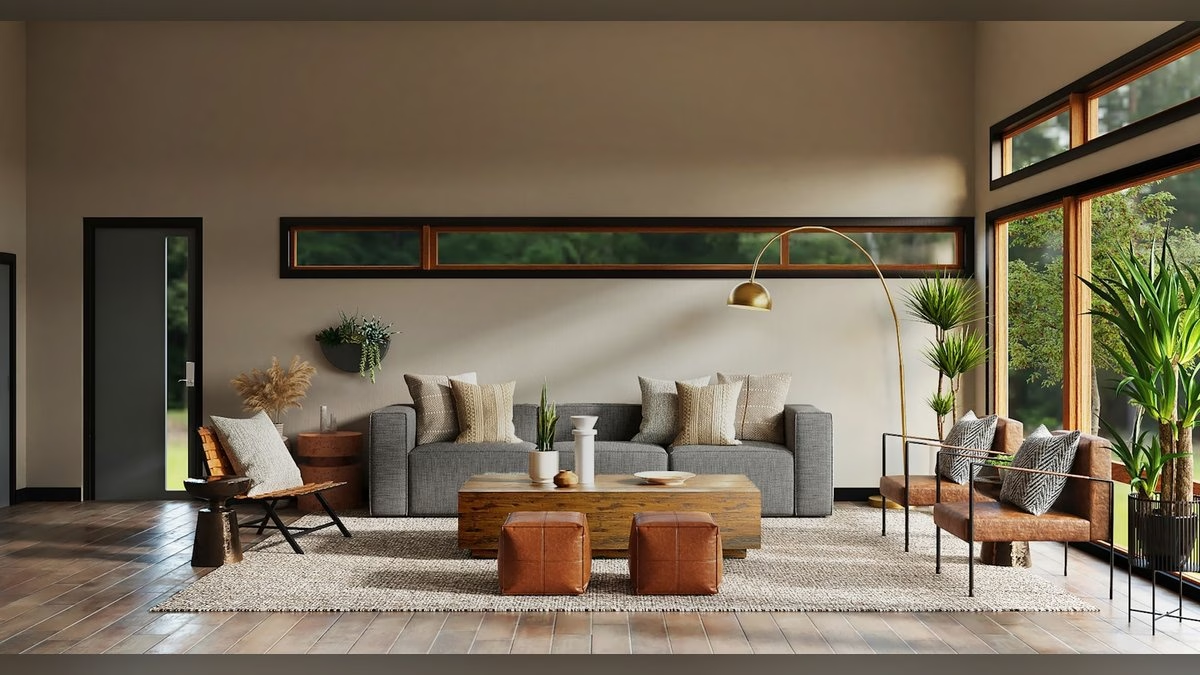
Biophilic design plants can do more than fill an empty corner: they can help a room feel connected to the living world outside. By combining greenery with daylight, natural textures, airflow, and views of nature, you can build a home that feels calmer and more restorative without turning it into a greenhouse.
What Biophilic Design Really Means
Biophilic design is an approach to buildings and interiors that supports our relationship with nature. Houseplants are one part of it, but the idea is broader than decorating with leaves. It also includes changing daylight, fresh air, water, natural materials, organic forms, seasonal cues, and spaces that offer both openness and shelter.
The influential 14 Patterns of Biophilic Design framework groups its patterns into three broad families: nature in the space, natural analogues, and the nature of the space. In everyday terms, that means bringing in real natural experiences, echoing nature through materials and forms, and arranging rooms in ways that resemble comfortable settings we seek outdoors.
Why Nature-Inspired Rooms Can Feel Better
A view of greenery, a patch of sunlight, or the movement of leaves gives the eyes and attention a gentle place to land. Research on biophilic environments is still developing, and not every study tests the same features, but recent reviews report promising associations with stress recovery, mood, comfort, and wellbeing. A 2024 systematic review of healthcare settings, for example, examined how therapeutic biophilic design affected patients and care providers.
That does not mean a pothos is a medical treatment, nor that a few pots will clean all the air in a typical home. Think of nature-inspired design as one layer of a supportive environment. Good ventilation, comfortable temperatures, sleep, movement, and professional care still matter. For a closer look at the emotional side of indoor greenery, read Verdanscape’s guide to the science of houseplants and happiness.
How to Use Biophilic Design Plants at Home
When choosing biophilic design plants, start with the conditions you already have rather than buying greenery for a photograph. Observe where direct sun falls, which corners stay dim, and whether heating vents create dry drafts. Then choose one or two healthy plants whose needs match those places. A broad-leaved floor plant can soften a hard living-room corner, while a trailing pothos or heartleaf philodendron can draw the eye along a shelf.
Use varied heights to mimic the layers of a natural landscape. Combine a tall upright plant, a rounded tabletop plant, and a trailing form instead of lining up several identical pots. Leave some open space around each silhouette; greenery is more restful when every surface does not feel crowded. Verdanscape’s houseplant placement ideas can help you balance appearance with light and plant health.
Go Beyond Greenery
A convincing nature connection comes from several subtle cues working together. Pull curtains back during the day, position a chair where it can face a tree or sky view, and use mirrors carefully to share daylight without concentrating harsh sun on foliage. Open a screened window when weather and outdoor air quality allow, or use a quiet fan to introduce gentle air movement.
Natural analogues are useful where live plants will not thrive. Wood grain, cork, linen, stone, woven baskets, botanical artwork, and curved shapes can repeat the colors and irregular patterns found outdoors. You do not need to make everything beige or green. Use the room’s existing palette, then choose containers that connect foliage to it; our guide to the color wheel for plants and pots offers a practical starting point.
Living Walls: Beautiful, but Plan First
A living wall can create a dramatic focal point and bring greenery into a room with limited floor space. It is also a small growing system, not a maintenance-free picture. Before installing one, check the wall’s load capacity, waterproofing, access to power or plumbing, light levels, irrigation drainage, and how easily you can remove individual plants.
Mississippi State University Extension’s green-wall guidance emphasizes matching species to sun or shade and notes that tropical plants can be used for indoor applications. Renters and beginners can get a similar visual effect with a sturdy shelving unit or wall-mounted planters fixed according to the manufacturer’s instructions. Keep heavy pots secure and out of reach of children and pets.
Practical Tips for a Nature-Connected Room
- Begin with one daily-use space. Improve the desk, reading chair, or dining area where you will notice the change.
- Design from the window inward. Protect daylight and outdoor views before adding more objects.
- Choose plants for the light. Use a light meter app as a rough guide, then watch new growth and adjust placement.
- Repeat, do not clutter. Echo one pot material or leaf shape in two or three places to create rhythm.
- Include other senses. Add safe airflow, tactile natural fabrics, or the gentle sound of water if maintenance and spill risk are manageable.
- Make care easy. Keep a watering can nearby, use saucers, inspect leaves weekly, and group plants with similar needs.
- Check toxicity. Confirm each species with a reliable veterinary source before placing it near a curious cat or dog.
A Better Home, One Layer at a Time
Successful biophilic design is less about following a trend and more about creating regular, meaningful contact with nature. Begin with light, a view, and a few well-chosen plants; then add texture, movement, and natural forms as the room evolves. When every element suits both your routines and the plants’ needs, the result feels alive rather than staged—and remains realistic to care for.