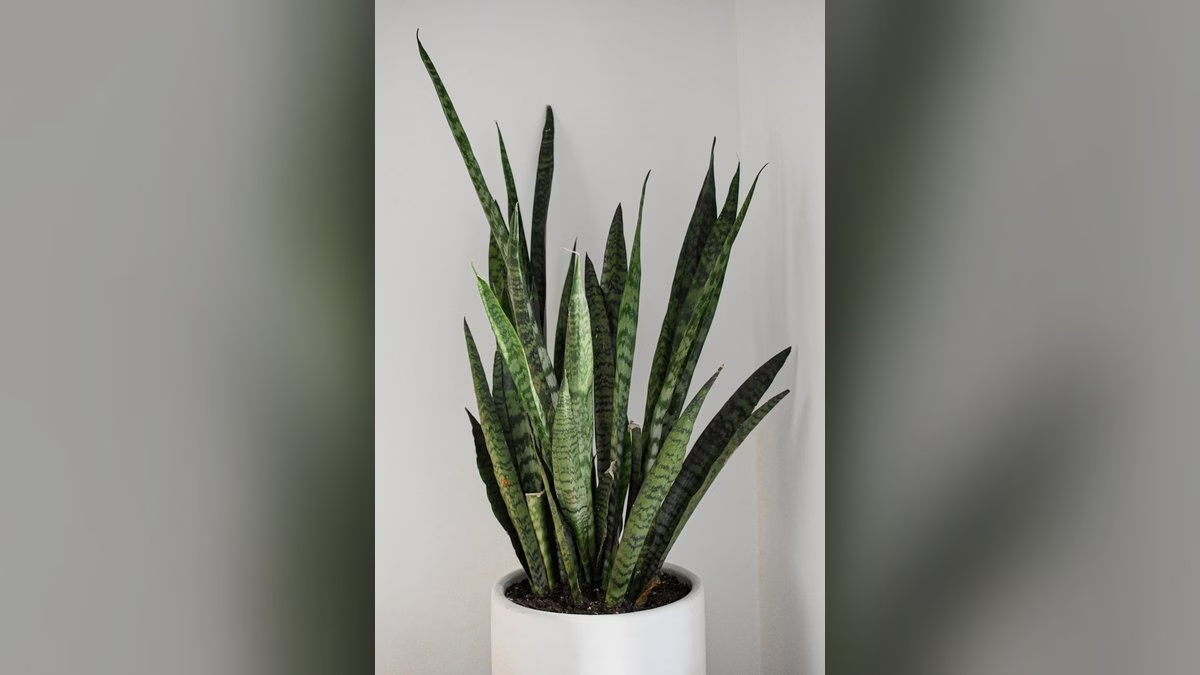
If there is one houseplant that thrives on neglect, it is the snake plant. Known scientifically as Dracaena trifasciata (formerly Sansevieria trifasciata), this architectural succulent has become a staple in homes worldwide. Mastering snake plant care is remarkably straightforward, making it the perfect starting point for beginners and a reliable standby for experienced plant parents.
Why Snake Plant Care Is So Beginner-Friendly
The snake plant is a succulent native to West Africa, where it evolved to withstand harsh, dry conditions. That evolutionary heritage is exactly what makes snake plant care so forgiving. The plant stores water in its thick, fleshy leaves, meaning it can go weeks — sometimes over a month — between waterings without complaint. It also adapts to a remarkably wide range of light conditions, from bright indirect light to dim corners that would doom most other species. If you are just starting your indoor plant journey, the snake plant is arguably the best plant to build confidence.
Light Requirements: Where to Place Your Snake Plant
One of the most appealing aspects of snake plant care is the plant’s flexibility with light. Snake plants tolerate everything from bright, indirect sunlight to low-light corners. However, they truly thrive in moderate to bright indirect light. A spot near an east-facing or west-facing window is ideal, where the plant receives gentle morning or late-afternoon sun without the intensity of midday rays.
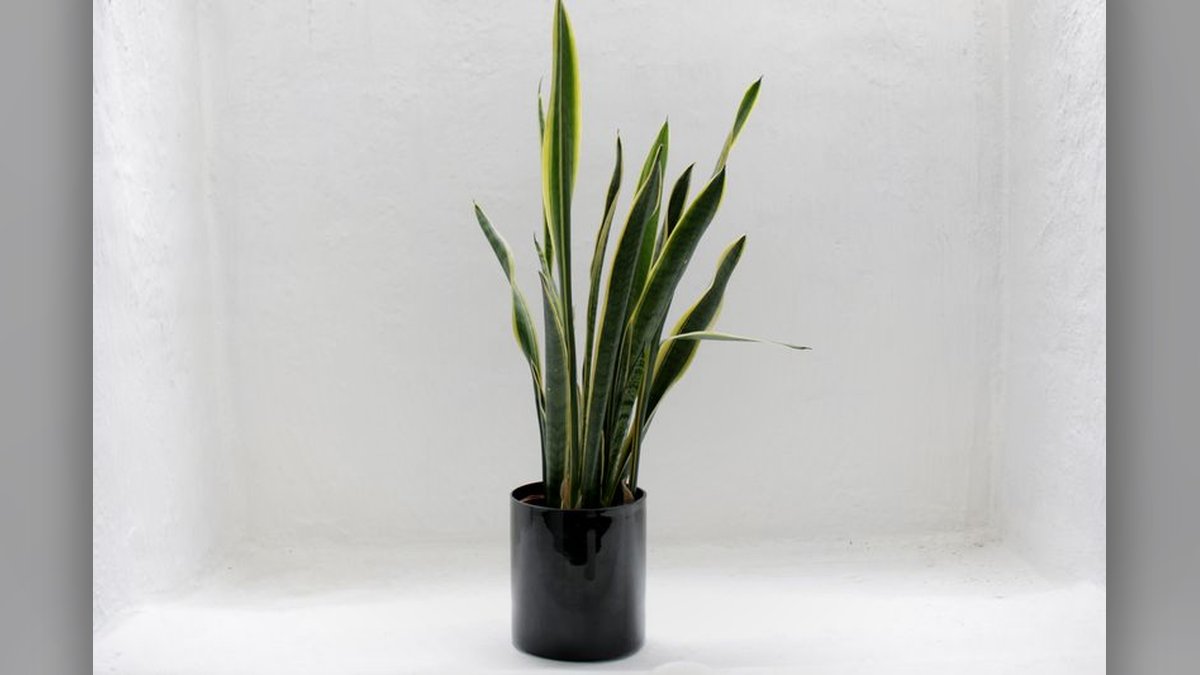
In very low light, the snake plant will survive but grow slowly, with leaves that may become darker green and slightly leggy over time. Direct sunlight can scorch the leaves, causing yellowing or brown patches. If the variegation fades, your plant may want more light. Rotate the pot every few weeks to encourage even, upright growth.
Watering: The Golden Rule of Snake Plant Care
If there is one area where well-meaning plant owners go wrong, it is watering. The single most important rule of snake plant care is this: let the soil dry out completely between waterings. Overwatering is the leading cause of snake plant death, by a wide margin.
During the growing season (spring and summer), water every two to three weeks, allowing the soil to dry fully from top to bottom. In winter, when growth slows, you may only need to water once a month. A reliable test is to stick your finger two inches into the soil; if you feel any moisture, wait. When in doubt, wait another week. A snake plant recovers from drought far more easily than from root rot. Always use a pot with a drainage hole, and never let the plant sit in standing water. For more on how moisture and environment interact, see our guide to how plants regulate your home’s indoor climate.
Soil and Potting Mix
Snake plants need well-draining soil that does not hold excess moisture. A standard cactus or succulent potting mix works perfectly. If mixing your own, combine two parts potting soil with one part perlite or coarse sand to improve drainage. Terracotta pots are an excellent choice because the porous clay wicks moisture away from the soil. For more on selecting containers, check out our guide to choosing the perfect pots for your plants.
Common Problems and How to Fix Them
- Yellow, mushy leaves: The hallmark of overwatering and root rot. Stop watering immediately, remove affected leaves, and check roots. Trim rotted sections and repot in fresh, dry soil.
- Brown, crispy leaf tips: Usually caused by underwatering or fluoride in tap water. Trim dead tips and water on a more consistent schedule.
- Drooping or leaning leaves: Often a sign the plant is reaching for light. Rotate the pot regularly. If the entire plant is floppy, check for root rot.
- Pests: Spider mites and mealybugs can appear. Wipe leaves with a damp cloth and treat with neem oil if needed.
How to Propagate Your Snake Plant
Propagation is a rewarding part of snake plant care. Division is the fastest method: when repotting, gently separate the root ball into smaller clumps, each with at least two or three leaves and healthy roots. Pot each division in fresh soil. This method preserves the parent plant’s variegation exactly.
Leaf cuttings are the other popular approach. Cut a healthy leaf into three-to-four-inch sections, noting which end was the bottom. Let the cuttings callous over for two to five days, then plant upright in moist, well-draining soil. Roots and new pups typically emerge within two to four months.
Are Snake Plants Safe for Pets?
One important consideration in snake plant care: these plants are toxic to cats and dogs. According to the ASPCA, snake plants contain saponins that can cause nausea, vomiting, and diarrhea if ingested. If you share your home with curious pets, place your snake plant out of reach or consider pet-safe alternatives like spider plants or calatheas.
Air Purification: What the Science Says
The snake plant’s reputation as an air purifier traces back to the NASA Clean Air Study of 1989, which found that snake plants were effective at removing volatile organic compounds like benzene, formaldehyde, and trichloroethylene from sealed environments. Subsequent research has shown the effect in typical homes is modest compared to proper ventilation, but several plants do contribute incrementally to cleaner air. For more, see our article on the science behind houseplants and air quality.
Quick Snake Plant Care Checklist
- Water every 2–3 weeks in summer, monthly in winter — let soil dry fully
- Place in bright, indirect light; tolerates low light but grows slower
- Use well-draining cactus or succulent soil mix
- Choose a pot with drainage holes (terracotta is ideal)
- Keep between 60–80°F (15–27°C), away from drafts
- Rotate the pot every few weeks for even growth
- Keep out of reach of pets — toxic to cats and dogs
- Fertilize sparingly with balanced houseplant fertilizer in spring and summer
Conclusion
The snake plant is proof that low-maintenance does not mean low-reward. With its striking vertical form, air-purifying qualities, and near-indestructible nature, it earns a place in nearly every indoor space. By following the fundamentals of snake plant care — proper light, infrequent watering, well-draining soil, and a suitable pot — you will enjoy a healthy specimen that can live for decades.
Discover more from Verdanscape
Subscribe to get the latest posts sent to your email.