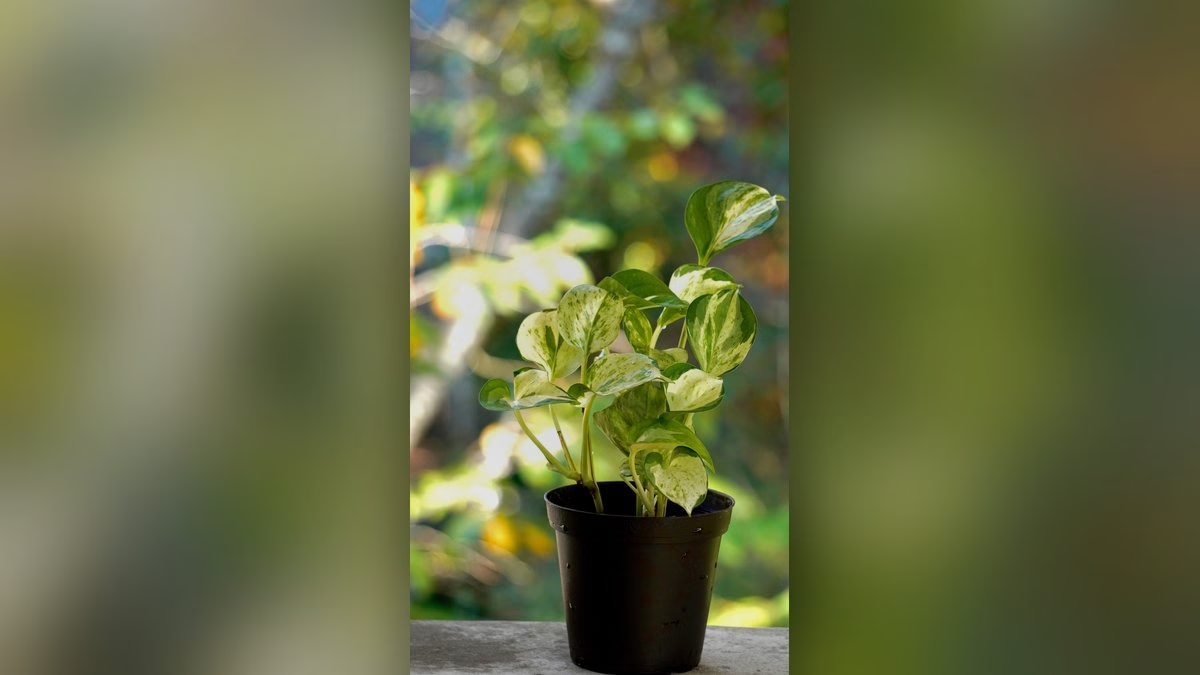
Learning how to propagate pothos is one of the easiest ways to turn a single trailing plant into a fuller pot or a collection of new houseplants. With one healthy vine, a clean pair of scissors, and either water or potting mix, you can usually see signs of growth within a few weeks.
Pothos (Epipremnum aureum) is forgiving, but successful propagation still depends on making the cut in the right place. The key is the node: a small joint on the stem where a leaf, aerial-root nub, and new growth can emerge.
Before You Propagate Pothos, Find a Healthy Node
Choose a vigorous vine with firm leaves and no signs of pests, yellowing, or mushy stem tissue. Trace the vine until you find a node, which often looks like a slight bump or brown nub opposite a leaf. A leaf by itself may stay green for a while, but it cannot produce a complete new vine without stem tissue that includes a node.
The University of Florida IFAS guidance for commercial pothos production describes the standard cutting as a short section of stem with one node and an attached leaf. For a home project, a cutting about 4 to 6 inches long with two or three nodes is easy to handle and gives you some margin for error.
- Disinfect sharp scissors or pruners with rubbing alcohol.
- Cut about half an inch below a node.
- Remove the lowest leaf so it will not sit in water or beneath the soil.
- Keep at least one healthy leaf above the rooting medium.
- Take several cuttings if you want a dense finished pot.
Method 1: Root Pothos Cuttings in Water
Water propagation is ideal for beginners because you can watch the roots develop. Place the bare node or nodes in a clean glass of room-temperature water while keeping every leaf above the waterline. Set the glass in bright, indirect light; harsh direct sun can heat the container and stress the unrooted cutting.
Refresh the water about once a week, or sooner if it becomes cloudy. Top it up between changes so the nodes remain submerged. According to the University of Wisconsin Horticulture guide to pothos, vines can root in water or vermiculite within roughly three to four weeks under warm conditions. Temperature, season, light, and cultivar can make your cutting faster or slower, so look at the plant rather than the calendar.
Move the cutting to potting mix when several roots are roughly 1 to 2 inches long and beginning to branch. Waiting for an enormous tangle of water roots is unnecessary and can make the transition to soil more awkward.
Method 2: Root Pothos Cuttings Directly in Soil
Soil propagation skips the water-to-soil transition. Fill a small pot with drainage holes using a loose, fresh indoor potting mix. Moisten it evenly, make a hole with a pencil, and insert the cutting so at least one node is below the surface while all leaves remain above it.
Gently firm the mix around the stem. Keep it lightly moist, not saturated, and place the pot in bright, indirect light. The Iowa State University stem-cutting guide likewise recommends burying at least one node without burying leaves; it also notes that a temporary clear cover can help retain humidity. If you use one, leave room around the foliage and open it periodically for airflow.
Because roots are hidden, test progress after a few weeks with a very gentle tug. Resistance suggests roots are anchoring the cutting. New leaf growth is an even better sign. If you are still choosing a container, our guide to matching plants with practical, attractive pots explains why drainage and material matter.
Water or Soil: Which Method Works Better?
Both methods work. Choose water if you enjoy seeing the roots, want an easy way to monitor progress, or are trying propagation for the first time. Choose soil if you want fewer steps and can reliably keep the mix evenly moist without waterlogging it.
- Water advantages: visible roots, simple setup, and easy progress checks.
- Water tradeoff: the cutting must later adjust to potting mix.
- Soil advantages: roots develop in their long-term medium from the start.
- Soil tradeoff: moisture and root progress are harder to judge.
Whichever route you choose, warmth and bright filtered light support growth. Avoid fertilizing a fresh cutting; it has few roots to use those nutrients, and excess salts can damage tender tissue.
How to Pot Up Rooted Cuttings for a Fuller Plant
Use a pot only large enough for the small root system, with at least one drainage hole. Add pre-moistened potting mix, arrange three to six rooted cuttings around the pot, cover the roots, and press gently. Water thoroughly, then let excess water drain.
For the first couple of weeks after transferring water-rooted cuttings, keep the mix slightly more consistent than you would for an established pothos. Then gradually settle into normal care: water when the upper inch or two begins to dry. For a balanced display, rotate the pot regularly and use the light-planning ideas in our guide to placing houseplants for beauty and plant health.
Common Propagation Problems and Practical Fixes
- The cutting does nothing: confirm that the stem includes a node, then move it to warmer, brighter indirect light.
- The stem turns brown and mushy: trim back to firm tissue with sanitized scissors, clean the vessel, and restart with leaves above the water or soil.
- Leaves yellow: one old leaf may be sacrificed while roots form, but widespread yellowing can point to rot, low light, cold conditions, or soggy mix.
- Roots form but no new vine appears: be patient. Root growth often comes before the dormant bud activates.
- The new pot looks sparse: combine multiple cuttings and pinch growing tips later to encourage branching.
Keep pothos away from pets and small children who might chew it. The North Carolina Extension Plant Toolbox notes that the plant contains calcium oxalate crystals that can irritate the mouth and skin.
Turn One Vine Into a Thriving Collection
Once you know how to identify a node and control moisture, it becomes easy to propagate pothos whenever vines get leggy or need pruning. Start with clean cuts, give the cuttings bright indirect light, and resist the urge to overwater or fertilize them.
Use the new plants to fill an existing pot, share with a friend, or add greenery to another room. If you are building a broader low-maintenance collection, these starter houseplants for larger homes offer more approachable options to grow alongside your pothos.
Discover more from Verdanscape
Subscribe to get the latest posts sent to your email.