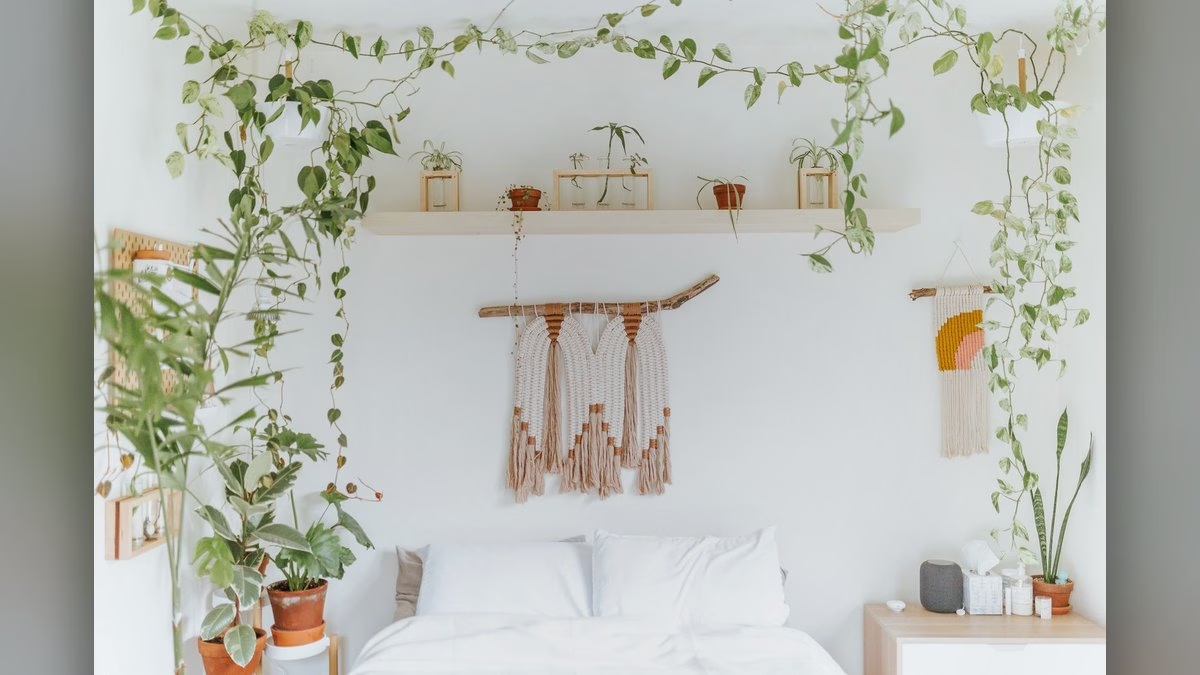
A greener bedroom can feel like a gentler place to wind down, which explains the appeal of houseplants for bedrooms. Plants are not a treatment for insomnia, but the right greenery may help you feel calm at bedtime without promising an overnight cure.
The key is to separate real benefits from catchy claims. Plants can make a room feel calm. Caring for them can become a quiet evening ritual. But no strong evidence shows that one potted plant directly produces deeper sleep. Choose plants for atmosphere, ease of care, available light, and household safety first.
What Science Says About Houseplants for Sleep
Research on indoor plants is encouraging, but it is about more than sleep. A 2022 review of 42 studies found that indoor plants can support relaxation, focus, and overall wellbeing. The evidence is real but limited. Only 16 of the 42 studies were strong enough to combine. Each finding drew on just two or three studies. So the results point in a helpful direction, but they do not prove that any one plant will change your sleep.
Another small study looked at how people react to plants. In that study, 24 young men transplanted a plant and then did a computer task. After working with the plant, they felt calmer and more at ease. Their blood pressure was lower than after the computer work. Less stress before bed may make a bedroom feel more restful. But that is not proof that a particular plant improves sleep quality.
Claims about nighttime oxygen also need perspective. Some plants use a special process called CAM and exchange gases at night. But a few pots will not change the oxygen level of an ordinary bedroom much. Likewise, NASA showed that plants can clean the air. But it tested them in sealed chambers, not furnished homes with normal airflow. The NASA Spinoff account of that plant research makes the controlled setting clear. For real homes, fresh air, removing the source of pollution, and a good air cleaner matter far more than a few plants.
Houseplants for Bedrooms: Five Worth Considering
Snake plant: Tall, upright leaves and tolerance for lower light make Dracaena trifasciata a good pick where floor space is limited. Let its potting mix dry well before watering. It is toxic if chewed by cats or dogs, so place it out of reach or skip it in a pet-accessible room.
Spider plant: The arching leaves of Chlorophytum comosum soften a shelf or hanging planter. It prefers bright, indirect light but adapts to moderate light, and the ASPCA lists it as non-toxic to cats and dogs. Trim brown tips and water when the upper layer of mix feels dry.
Parlor palm: Chamaedorea elegans brings soft, feathery leaves without demanding intense sun. It is another pet-friendly option and works well near an east- or north-facing window. Avoid keeping the soil constantly soggy.
Moth orchid: A flowering Phalaenopsis can provide a calm focal point on a dresser. It is considered non-toxic to cats and dogs, but it needs bright, indirect light and good drainage. Water when the bark is nearly dry rather than on a rigid schedule.
Jasmine: Fragrant true jasmines can make a bedroom feel special, but smells affect people differently and popular sleep claims go beyond the evidence. These plants generally need more light than many bedrooms provide. Check the exact plant name before buying because unrelated plants sold as “jasmine” may have different toxicity.
Match the Plant to Your Bedroom Light
A healthy plant is more relaxing than one struggling in the wrong location. Watch the room through an entire day. A north-facing window may offer gentle light, while a south- or west-facing window can become intense. The University of Minnesota Extension guide to indoor-plant lighting explains how distance from a window, season, curtains, and orientation affect usable light.
Snake plants tolerate low light, but “tolerate” does not mean “thrive in darkness.” Spider plants, palms, orchids, and jasmine grow better with brighter indirect light. If you cannot comfortably read in the spot during daytime without switching on a lamp, move the plant closer to a window or use a properly timed grow light. Keep bright grow lights off during your sleep period so they do not undermine a dark bedroom.
Pet Safety and Bedroom Hygiene
Plant safety matters in a room where pets may roam unsupervised. Snake plant, aloe vera, and peace lily are often recommended online for bedrooms, yet all can cause problems if pets chew them. Peace lilies contain needle-like crystals that can irritate the mouth. They are not true lilies, but they still should not be treated as pet-safe. Check each exact species in the ASPCA toxic and non-toxic plant database before bringing it home.
Good hygiene also keeps plants from becoming a nuisance. Use pots with drainage, empty standing water from saucers, and allow the mix to dry as appropriate for the species. Constantly wet soil encourages fungus gnats and may support mold. Wipe dusty leaves and inspect stems and leaf undersides so pests do not spread beside your bed.
Practical Tips for a Restful Plant Setup
- Start with one or two plants: A restrained arrangement feels calm and is easier to maintain than a crowded collection.
- Keep plants stable: Use sturdy pots and stands away from the edge of a nightstand, especially around children and pets.
- Water in daylight: You can see spills, pests, and soil moisture more clearly, and you avoid turning plant care into a late-night chore.
- Choose subtle scents: Skip strongly fragrant flowers if perfume triggers headaches, congestion, or alertness.
- Protect sleep fundamentals: Prioritize darkness, comfortable temperature, a consistent schedule, and noise control before expecting decor to help.
For a broader look at realistic plant benefits, read Verdanscape’s guide to the science of houseplants and happiness. You can also explore how greenery shapes a houseplant microclimate and revisit the evidence on houseplants and indoor air quality.
A Greener Bedroom, Without the Hype
The best houseplants for bedrooms are plants that suit your light, routine, and household. Spider plants and parlor palms are approachable pet-friendly choices. Snake plants fit many lower-light rooms when pets cannot reach them. Orchids or jasmine can add flowers when brighter light is available.
Think of bedroom plants as part of a calming environment rather than a sleep aid. A healthy plant, a tidy setup, and a few minutes of mindful care can make the room more inviting—while good sleep habits continue to do the heavy lifting.
Discover more from Verdanscape
Subscribe to get the latest posts sent to your email.