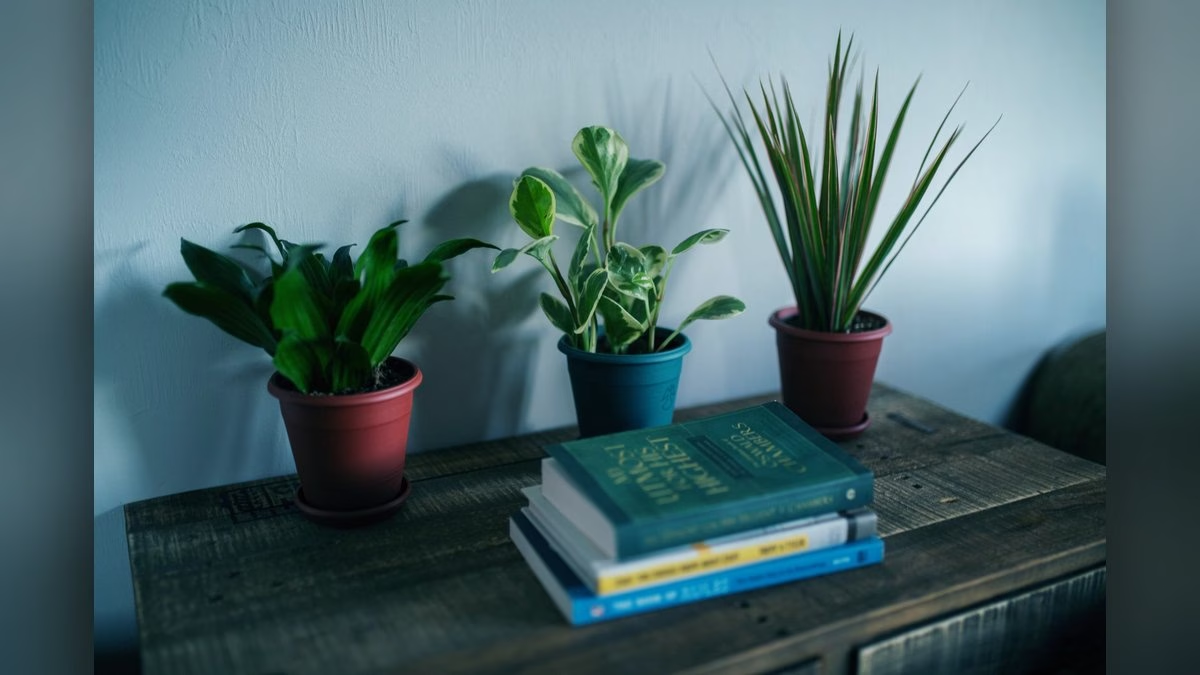
A beautiful plant display should feel collected, not crowded. Thoughtful plant shelf styling balances color, shape, and negative space while giving every plant the light and access it needs to stay healthy.
The good news is that you do not need a huge collection or designer furniture to create one. A sturdy bookcase, wall ledge, or floating shelf can become a lively focal point when you plan the practical details first and decorate in layers.
Start Plant Shelf Styling with Light, Not Looks
Before arranging pots, watch how light moves across the shelf for a full day. The top may receive bright light while lower levels remain shaded, and a shelf beside a window can be much brighter on one end. The University of Minnesota Extension explains that light intensity, duration, and quality all affect indoor plant growth, so “near a window” is not a complete lighting plan.
Put brighter-light plants closest to the window or on an open upper shelf. Reserve dimmer positions for adaptable foliage plants such as pothos, heartleaf philodendron, cast-iron plant, or some snake plants. “Low light” still means usable light, not a windowless corner; Penn State Extension’s houseplant selection guide describes north-facing windows and positions farther inside a room as typical low-light locations.
If growth leans noticeably toward the window, rotate the pot a quarter turn every week or two. For truly dark shelving, add a properly positioned grow light rather than asking a plant to survive as decor.
Build a Strong Silhouette with Three Growth Habits
A shelf becomes visually interesting when the eye can move up, across, and down. Start with three broad shapes: an upright plant, a rounded or bushy plant, and a trailing plant. A compact snake plant or small dracaena adds height; peperomia or bird’s-nest fern fills the middle; pothos or heartleaf philodendron softens an edge.
Place the tallest form toward the back or one side rather than automatically centering it. Let a vine fall from an upper shelf where it will not brush the floor or block plants below. Smaller pots can sit on stacked books or a stable riser to vary their height. For more ideas about balancing plant health with a room’s layout, see our guide to placing houseplants around the home.
Use Pots to Create a Calm Color Story
Plants already provide varied greens, patterns, and textures, so containers can either tie the arrangement together or make it feel busy. Choose a simple palette of two or three related finishes—perhaps warm terracotta, cream ceramic, and natural baskets—then repeat each finish somewhere else on the shelf.
Matching every pot is not necessary. Instead, repeat one quality such as color, shape, or material. A ribbed green pot can sit comfortably beside smooth neutral ceramics if another green accent appears nearby. Our guide to the color wheel for plants and pots can help you choose harmonious or intentionally contrasting combinations. If you are comparing materials and cachepots, the Verdanscape planter guide offers a useful starting point.
Whatever the outer container looks like, protect both roots and furniture. Keep plants in pots with drainage holes, use waterproof saucers, and empty standing water after watering. A decorative cachepot is fine if you remove the nursery pot to water and let it drain before returning it.
Leave Breathing Room and Make Care Easy
Negative space is part of the display. Leaving a few open areas lets individual leaves stand out, improves access for watering, and makes it easier to notice pests or yellowing foliage. Avoid pressing leaves against cold glass, hot radiators, or grow-light bulbs.
Grouping compatible tropical plants can modestly raise humidity immediately around them, but crowding should not prevent air movement. The Royal Horticultural Society recommends grouping plants as one way to improve local humidity while also emphasizing that light, watering, temperature, and pests should be checked when a plant struggles.
Arrange pots so each can be lifted without moving half the shelf. Place thirstier plants where you can see and reach their soil, and keep succulents separate from moisture-loving tropicals so their care routines do not blur together. Check the shelf manufacturer’s weight rating, secure tall furniture to the wall, and keep heavy pots on lower levels—especially in homes with children or pets.
Add Objects Without Creating Clutter
A few non-plant objects help a shelf feel personal. Books, a framed print, a small bowl, or a watering can can provide contrast to all the organic foliage. Use objects that repeat your chosen colors and vary their scale: one medium statement piece usually looks calmer than several tiny ornaments.
Try an informal triangle. Put the tallest visual element on one side, a medium-height grouping toward the middle, and a trailing or lower object on the opposite side. Step back several feet and take a phone photo; the flattened view makes awkward gaps and crowded spots easier to see. Then remove one item before adding another.
Practical Tips for a Shelf That Stays Beautiful
- Measure first: Check shelf depth, vertical clearance, window distance, and weight capacity before buying pots.
- Protect the surface: Use watertight saucers or cork-backed trays, and wipe spills immediately.
- Group by care: Keep plants with similar light and watering needs near one another.
- Keep leaves visible: Prune damaged growth and wipe broad leaves gently so dust does not dull the display.
- Rotate selectively: Turn plants that lean, but avoid constantly relocating species that dislike sudden environmental changes.
- Inspect weekly: Look beneath leaves and around stems for pests before they spread through a close grouping.
- Edit seasonally: Move plants as sunlight shifts, growth changes, or heating and cooling affect the shelf.
A Shelfie That Works for Plants and People
The most successful plant shelf styling is both attractive and maintainable. Begin with the real light conditions, mix upright and trailing forms, repeat a restrained pot palette, and leave enough room to water and inspect every plant.
Treat the arrangement as something living rather than a finished still life. As vines lengthen and leaves turn toward the sun, make small adjustments; that gentle evolution is what gives a plant shelf its character.
Discover more from Verdanscape
Subscribe to get the latest posts sent to your email.