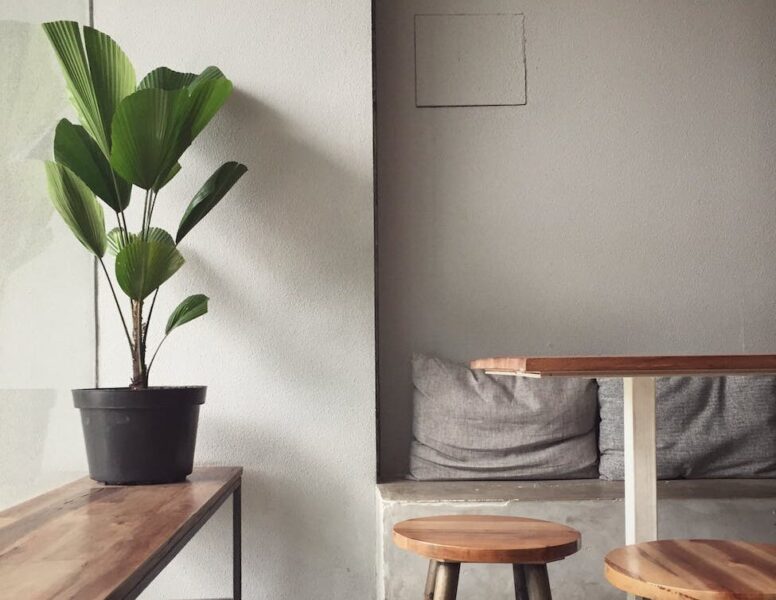
Unlocking the full potential of an indoor garden starts with a simple bargain: give plants the conditions they need, and they give your home color, texture, and a satisfying living routine. That is the real Green Blueprint.
Healthy plants can make a room feel better to live in, but they do not turn it into a medical retreat or a self-cleaning ecosystem. The useful connection between plant care and human well-being is mostly about comfort, enjoyment, and our relationship with the space—not dramatic changes in oxygen or toxin levels.
Fact-checked and substantively reviewed July 28, 2026.
Creating the Right Living Conditions
Light, water, and nutrients shape plant health. Matching those basics to each species does more for an indoor garden than chasing a list of supposed “wellness plants.”
Fueling Growth With Light
Plants need suitable light for photosynthesis and sturdy growth. Although photosynthesis uses carbon dioxide and releases oxygen, a few houseplants do not produce enough oxygen to noticeably change room air. Choose light for the plant; use ventilation for the people.
Hydration: A Delicate Balancing Act
Water thoroughly when the plant needs it, then let excess water drain. Constantly wet potting mix can damage roots and encourage fungus gnats or surface mold. Correct watering helps keep the plant and its immediate growing area tidy, but it cannot prevent mold elsewhere in a home. Leaks, condensation, and high room humidity need to be addressed at their source.
Nourishing With Essential Nutrients
Fertilizer supports growth when a plant has used the nutrients in its potting mix. More is not better: excess fertilizer can burn roots and leave salts in the soil. Feed for healthy foliage and flowers, not for extra air purification. Passive houseplants remove volatile organic compounds far too slowly to function as room air cleaners.
Mastering the Art of Indoor Plant Care
Temperature, humidity, air movement, and the right container help plants hold their shape and resist trouble. They also make the indoor garden easier to live with.
Temperature and Humidity: Read the Room
Keep plants away from scorching radiators, freezing drafts, and abrupt temperature swings. Many tropical houseplants appreciate moderate humidity, but the room matters too. The U.S. EPA recommends keeping indoor relative humidity below 60%, ideally around 30% to 50%, to limit mold growth.
Plants can add moisture through transpiration. In a dry room that may be welcome; in a humid room, it may not be. A small hygrometer gives a better answer than a generic rule.
Air Circulation: Helpful, Not Heroic
Gentle air movement helps wet leaves and potting mix dry and makes conditions less inviting for some pests and plant diseases. It does not replace whole-room ventilation. Use bathroom and kitchen exhaust fans and address indoor pollution sources directly.
Pot Selection: More Than Aesthetic Appeal
A pot with drainage gives roots access to both water and air. A saucer protects furniture; a stable shape prevents top-heavy plants from tipping. Beyond the practical details, choose containers that bring you joy. The visual relationship between pot, plant, and room is one of the clearest benefits of indoor gardening.
Plants and Indoor Air: The Honest Version
Controlled chamber experiments—including the famous NASA work—show that plant-and-soil systems can take up certain pollutants. A later review found that the removal rates were too low to make a meaningful difference in a typical building without an impractically dense indoor jungle.
For better air, follow the EPA’s priorities of source control, ventilation, and appropriate filtration. For a deeper look at how the myth grew, read Clean Air, Green Home.
Plant Care and Mental Well-Being: A Positive Possibility
Caring for a plant can be a welcome pause: check the soil, turn a pot toward the light, notice a new leaf. Small studies have reported calmer physiological or self-rated responses during plant interaction, and a 2022 systematic review found generally positive effects for relaxed physiology and some cognitive outcomes.
The evidence is encouraging but mixed and often based on small studies. Plant care is a hobby and a source of pleasure, not a substitute for mental-health care. Its value does not need to be clinical to be real.
Your Green Blueprint
- Choose plants that fit the available light.
- Water according to the soil and species, not a rigid calendar.
- Use drainage and keep the growing area clean.
- Measure humidity if the room feels very dry or damp.
- Arrange plants where you will enjoy seeing and tending them.
A thriving indoor garden will not run your HVAC system or detoxify the house. It can give you a more personal, engaging place to live—and a reason to notice small changes every day.
Sources
- U.S. EPA: Improving Indoor Air Quality.
- Cummings and Waring: review of potted-plant VOC removal rates (2020).
- Han, Ruan, and Liao: systematic review and meta-analyses of indoor plants and human functions (2022).
- Lee and colleagues: randomized crossover study of plant interaction and stress responses (2015).
Discover more from Verdanscape
Subscribe to get the latest posts sent to your email.