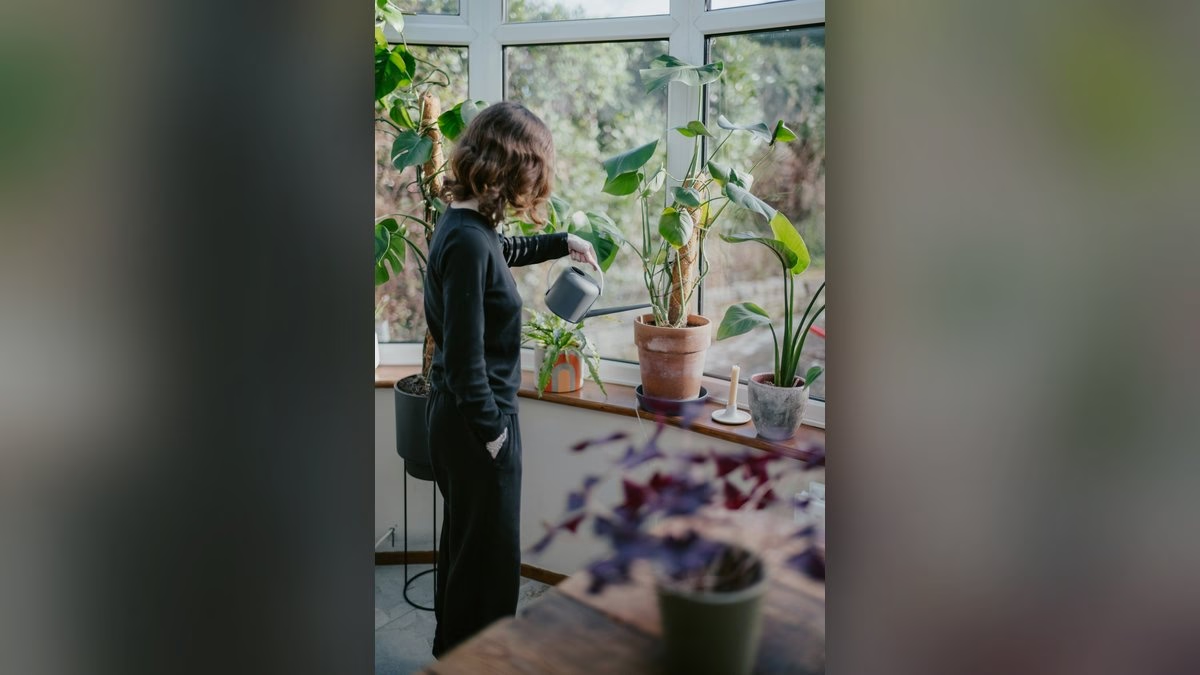
Overwatering vs underwatering can look surprisingly similar: in both cases, a houseplant may wilt, yellow, or stop growing. The quickest way to tell them apart is to read the leaves together with the potting mix, the weight of the container, and the condition of the roots—not to react to one symptom alone.
Why Too Much and Too Little Water Both Cause Wilting
Leaves wilt when they are not receiving enough usable water. In a dry pot, the explanation is straightforward: there is too little moisture for the roots to absorb. In a waterlogged pot, air is pushed out of the pore spaces in the mix. Oxygen-starved roots become stressed or damaged and can no longer move water efficiently, so the foliage droops even though the soil is wet.
This overlap is why automatically watering a wilted plant can make matters worse. Before reaching for the watering can, check below the surface. The University of Maryland Extension notes that excess moisture often causes wilting or yellowing in lower and inner leaves—symptoms that can resemble drought stress.
Overwatering vs Underwatering: The Side-by-Side Signs
Start with the potting mix, then use the foliage and roots as supporting evidence. Different species respond differently, but these patterns are useful for most common tropical houseplants.
- Soil moisture: An underwatered pot feels dry several inches down and may pull away from the container wall. An overwatered pot remains damp or soggy long after the previous watering.
- Pot weight: Dry mix makes a container noticeably light. Saturated mix keeps it heavy. Lifting the pot regularly is one of the easiest ways to learn its normal moisture cycle.
- Leaf texture: Underwatered leaves often feel thin, dry, curled, or crisp at the edges. Overwatered leaves are more likely to feel soft, limp, or swollen.
- Leaf color: Drought can produce brown tips and margins, followed by dry leaf drop. Excess water commonly causes widespread yellowing, especially on older or lower leaves.
- Stems and roots: Healthy roots are generally firm and pale. Brown or black, mushy roots and soft stems point toward rot associated with prolonged wetness.
- Other clues: A sour smell, algae on the mix, or fungus gnats suggests the pot is staying wet. The University of Maryland Extension notes that excess moisture can cause symptoms resembling root rot, including yellowing and wilting.
Brown tips alone are not proof of underwatering. Low humidity, excess fertilizer salts, damaged roots, or intense light can produce similar damage. The Royal Horticultural Society recommends assessing the whole plant and its growing conditions rather than relying on a single leaf.
Use a Simple Three-Step Moisture Check
First, push a clean finger or wooden skewer into the potting mix. For many leafy houseplants, check the upper one to two inches; for succulents and other drought-tolerant plants, test deeper and allow more of the mix to dry. Moist soil tends to cling to a skewer and looks darker than dry soil.
Second, lift the pot. Compare its current weight with how it feels just after a thorough watering. This works better than watering on a fixed weekday because plants use moisture at different rates as light, temperature, growth, pot size, and season change. A plant near a bright window may dry much faster than one across the room; thoughtful houseplant placement affects both appearance and care.
Third, inspect the drainage hole and saucer. Never let a nursery pot stand in runoff for hours. If the surface is dry but the bottom remains wet, the mix may be compacted, the container may be oversized, or drainage may be blocked.
How to Rescue an Underwatered Houseplant
If the mix is dry and the roots still look firm, water slowly until excess drains from the bottom. Empty the saucer, wait several minutes, and repeat if the mix initially repels water. For a severely dried peat-based mix, set the nursery pot in shallow water for 15 to 30 minutes, then remove it and let it drain completely.
Do not compensate with fertilizer. Stressed roots need steady moisture and suitable light, not extra salts. Move the plant away from hot vents or harsh midday sun while it recovers, but avoid a sudden shift into darkness. Remove only leaves that are fully dead; partly green leaves can still support recovery.
How to Rescue an Overwatered Houseplant
Stop watering and empty any standing water from the cachepot or saucer. If the mix is merely damp and the plant is stable, let it approach the species-appropriate dryness level before watering again. Improve airflow around the pot and confirm that its drainage holes are open.
If the plant smells sour, collapses despite wet soil, or has a soft stem base, slide it from the pot and inspect the roots. Trim mushy brown or black roots with clean tools, remove saturated mix, and repot in fresh, well-draining medium in a clean container with drainage. The University of Maryland’s root-rot guide lists yellowing, dieback, poor growth, and darkened roots among the warning signs.
Choose a pot only slightly larger than the remaining root ball. An oversized container holds a large volume of wet mix around a small root system. Then give the plant bright, indirect light appropriate to its species and time to recover. For a broader approach to matching greenery with healthy indoor conditions, see our guide to building an indoor plant oasis.
Practical Habits That Prevent Watering Mistakes
- Check; do not schedule. Use a weekly reminder to inspect plants, not a command to water every pot.
- Water thoroughly. When water is needed, moisten the full root ball and allow runoff to escape.
- Use drainage holes. Decorative cachepots are fine, but remove the inner pot for watering and drain it before replacing it.
- Match the mix to the plant. Add aerating ingredients where appropriate, and do not use dense garden soil indoors.
- Adjust with the seasons. Slower winter growth and lower light usually mean a longer interval between waterings.
- Group by care needs. Keeping moisture-loving plants apart from drought-tolerant ones reduces routine mistakes.
- Watch the room. Temperature, airflow, and humidity shape how quickly pots dry; explore how plants interact with the indoor microclimate.
Let the Pot, Not the Calendar, Make the Decision
Learning overwatering vs underwatering is less about memorizing a list than building a quick diagnostic habit: touch the mix, lift the pot, inspect the drainage, and then read the leaves. Once you know how a healthy, recently watered container feels, changes become much easier to spot—and you can correct the cause before a few drooping leaves turn into a serious root problem.