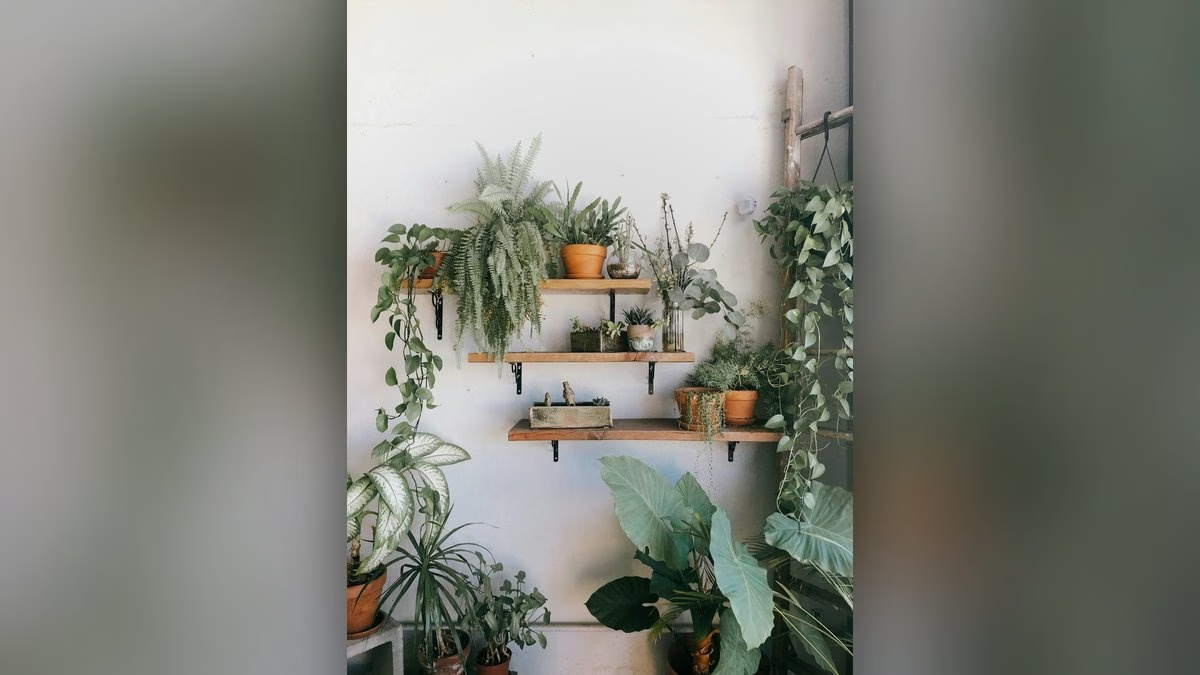
A tiny home does not have to mean a tiny plant collection. These ideas for styling houseplants in small apartments add generous greenery without sacrificing a walkway, work surface, or precious storage space.
Start with Light, Not an Empty Corner
Before buying shelves or hooks, watch how daylight moves through your rooms. Near an east- or west-facing window, pothos, Peperomia obtusifolia, and compact wax plants such as Hoya carnosa may do well when they receive the right intensity and duration of light. North-facing windows are generally better suited to plants that tolerate lower light. Because window size, outdoor obstructions, and season all affect exposure, treat orientation as a starting point rather than a guarantee. The University of Minnesota Extension’s research-based guide to indoor plant lighting explains how window direction and distance affect light, while the North Carolina Extension Gardener Plant Toolbox lists bright indirect light as ideal for Hoya carnosa.
Not every dim corner will support a living plant. If you cannot comfortably read there during the day without switching on a lamp, consider a full-spectrum grow light on a timer. Measure the shelf-to-lamp distance and follow the light manufacturer’s instructions so leaves receive useful illumination without overheating.
Map the apartment into bright, medium, and low-light zones, then match plants to those zones. This approach tends to produce healthier, longer-lasting results than arranging plants by appearance alone. For additional guidance, see our guide to placing houseplants for both beauty and plant health.
Take Your Collection Up the Walls
Vertical space is the small-apartment gardener’s greatest asset. A narrow ladder shelf, a sturdy bookcase, or two floating shelves can hold several plants while using little or no additional floor area. Arrange upright plants on lower levels and let trailing pothos or heartleaf philodendrons spill from higher shelves, keeping vines clear of heaters, vents, and doors.
Renters can use a freestanding étagère, over-the-door plant rack, or tension-pole planter instead of drilling into walls. If you install shelves, use hardware rated for the wall material and the combined weight of the shelf, wet soil, pots, and plants. Water makes containers substantially heavier, so build in a comfortable safety margin rather than testing the maximum rating.
In its design guidance for small spaces, the Royal Horticultural Society suggests thinking in every direction and using staging or shelves to lift plants above floor level. That change can make a collection feel intentional while preserving usable space.
Use Windowsills Without Crowding the Glass
A windowsill garden is ideal for small succulents, pileas, African violets, herbs, or propagation jars, provided the exposure matches each plant. Leave a little space between foliage and cold winter glass, and rotate pots by a quarter turn every week or two for balanced growth. In strong afternoon sun, move tender leaves back from the pane or soften the light with a sheer curtain.
Keep frequently opened windows functional. A slim raised stand beside the window may be safer than filling the sill, especially if pots could fall. The National Fire Protection Association’s home fire escape guidance recommends identifying two ways out of each room, including doors and windows, so any window in your escape plan should remain clear and easy to open. Use individual saucers or a waterproof tray to protect painted wood, and never allow drained water to sit around roots.
Hang Plants Where They Are Easy to Maintain
Hanging baskets transform unused airspace above a side table, dresser, or quiet corner. Good candidates include spider plants, pothos, lipstick plants, and compact wax plants such as Hoya carnosa. Avoid hanging a pot directly above a bed, chair, electronics, or busy path, and make sure mature vines will not brush people as they pass.
A ceiling-mounted basket needs a hook and fastener designed for both the ceiling material and the plant’s fully watered weight. Family Handyman’s step-by-step installation guide distinguishes fastening into a ceiling joist from using a toggle bolt in a hollow area; follow the hardware manufacturer’s instructions and load rating for your ceiling. For a no-drill option, try a sturdy garment rack, freestanding hanging-plant stand, or tension rod specifically rated for the load. Choose lightweight nursery pots inside decorative cachepots, take them down for watering, and let each pot drain fully before rehanging it.
Create Deliberate Green Moments, Not Scattered Pots
Scattering one plant across every available surface can make a compact room feel cluttered. Instead, create two or three deliberate green moments: perhaps a window group, a vertical shelf, and one statement floor plant. Repeat a pot color or material to connect the groups, then vary foliage shape and height so the arrangement does not look rigid.
Odd-numbered groups can feel relaxed and balanced. Combine one upright plant, one rounded plant, and one trailing plant, using a stack of books or a small riser to create levels. Leave visible space around the grouping; negative space helps both the plants and the room breathe visually. Our guides to choosing pots that suit your plants and building a plant-and-planter palette with the color wheel can help you create a cohesive display.
Container choice also affects care. Decorative pots without drainage are best used as outer cachepots around nursery pots. The RHS guide to choosing houseplants emphasizes matching plants to the light, space, and conditions available. Keeping those conditions first can help a display stay attractive beyond the initial styling.
A Practical Small-Space Plant Checklist
- Measure before you buy. Record shelf depth, window clearance, and mature plant size before purchasing.
- Preserve clear access. Keep doors, walkways, vents, outlets, and planned escape routes unobstructed.
- Protect the surfaces below. Use saucers, waterproof trays, and felt pads beneath containers.
- Group compatible plants. Put species with similar light and watering needs together.
- Keep care convenient. Store a small watering can and pruning snips nearby, but out of children’s and pets’ reach.
- Inspect the display weekly. Check leaf undersides, soil moisture, and shelf stability before problems grow.
- Edit as plants grow. Propagate, gift, or relocate plants that outgrow the room rather than overcrowding them.
Build Upward and Leave Room to Live
Three healthy pots—a trailing plant on a shelf, a compact plant by the window, and one floor plant—can be enough to make a small room feel greener without making it harder to live in. Start with the light and space you already have, watch how the plants respond through a season, and add the next shelf or hanging basket only when it supports both their health and your daily routines.
Discover more from Verdanscape
Subscribe to get the latest posts sent to your email.