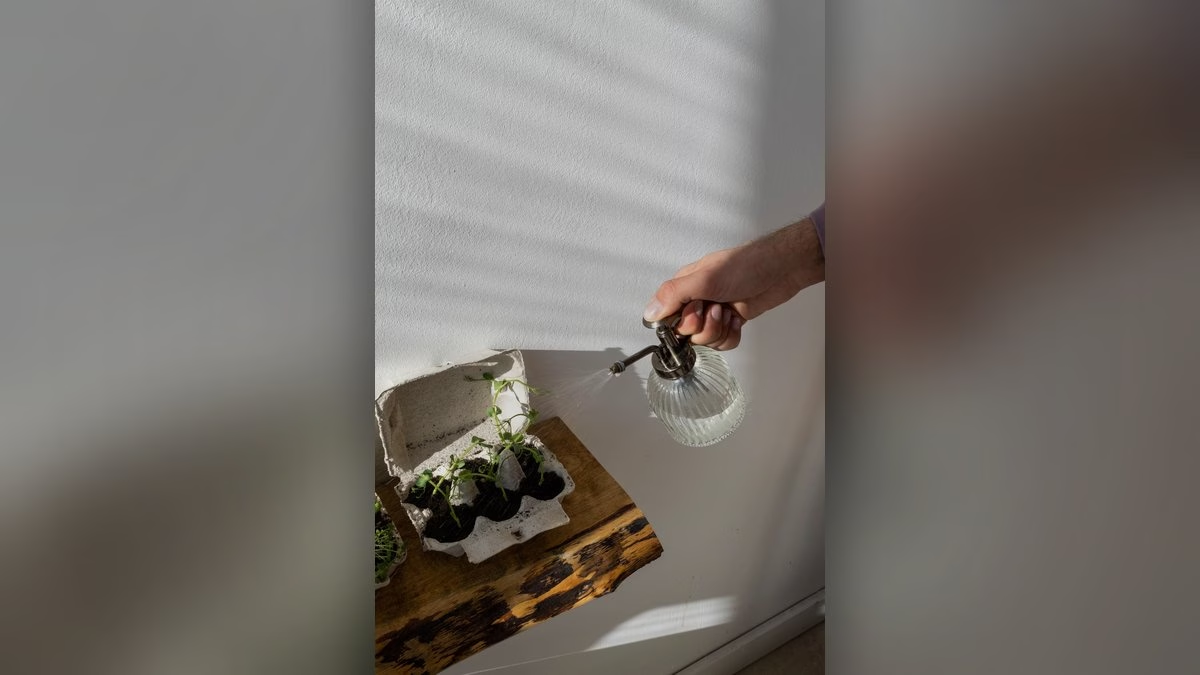
Can a few pots of greenery genuinely make home feel calmer? Research into the mental health benefits indoor plants may provide suggests that seeing or caring for plants can support a calmer, more pleasant space—although the evidence is limited, and a houseplant is not a substitute for mental health care.
What the Research Actually Shows
The evidence is promising, but it is not a simple “buy a fern, cure anxiety” story. A 2022 systematic review with meta-analyses included 42 records, but only 16 contributed to the meta-analyses. The authors identified a major limitation: each measured function was pooled from only two or three records. One statistically significant physiological result was a reduction of about 2.5 mmHg in diastolic blood pressure—a small effect on thin evidence, but evidence nevertheless. The findings justify further research and modest design suggestions, but not promises that adding a plant will treat stress or improve cognition. Our earlier look at the science of houseplants and happiness explores this broader connection between greenery and mood.
Mental Health Benefits Indoor Plants May Support
Stress relief is a recurring theme, but the intervention matters. In a small randomized crossover study, 24 Korean men in their mid-twenties transplanted a plant and completed a computer task. After transplanting, they reported feeling more comfortable and soothed, and their diastolic blood pressure was lower than after the computer work—not lower than a resting baseline. The authors noted that the comparison depended on a mental task that tends to increase sympathetic nervous system activity. This study tested active gardening against stressful computer work; it did not test whether simply keeping a plant nearby reduces stress. You can read the full open-access study for more background.
Plants may still make a room feel more pleasant and engaging. The Royal Horticultural Society’s houseplant-specific health overview summarizes reported psychological outcomes including improved mood, reduced stress, and improved attention in some studies—but not all. It is a useful overview, not proof that any single plant will produce those effects.
Taken together, the mental health benefits indoor plants may support are modest but meaningful: a calmer-feeling room, a gentle focus break, and a hands-on routine. Think of plants as cues that encourage a pause—notice a new leaf, check the soil, or turn a pot toward the light. These small moments interrupt screen-heavy routines and direct attention to immediate sensory details.
Why Greenery Can Help Restore Attention
Attention Restoration Theory proposes that directed attention can become fatigued and that natural settings may engage “soft fascination,” holding attention without demanding the same mental effort. However, the evidence reviewed for the theory comes mainly from outdoor nature, window views, and nature imagery. Evidence that one indoor pot restores attention is much thinner and mixed, but it is easy to see how a plant break may feel more restorative than switching to another screen. A systematic review of Attention Restoration Theory also found the wider evidence varied by the attention measure used.
If you want to try the idea, place one healthy plant where your eyes naturally land when you look away from work. A spider plant on a shelf, a baby rubber plant (Peperomia obtusifolia) near a monitor, or a floor plant across the room can create a visual destination. If you are designing a workspace, our guide to building an indoor oasis for wellness offers more ideas for integrating greenery without adding clutter.
The Quiet Value of a Plant-Care Routine
Caring for plants can create structure and a modest sense of accomplishment. Watering when soil is actually dry, wiping dusty leaves, and observing new growth are concrete tasks with visible feedback. Clemson Cooperative Extension describes plant care as an activity that can support emotional wellbeing, purpose, and connection.
The key is to keep the routine manageable. A crowded collection of demanding plants can become another source of guilt. Start with one or two species suited to your light and schedule. Success is more soothing than repeatedly trying to rescue a plant that cannot thrive in the room you have.
Practical Ways to Create a Calmer Plant Space
- Choose reliability over rarity. Spider plants, parlor palms, and baby rubber plants (Peperomia obtusifolia) are manageable choices that the ASPCA lists as non-toxic to cats and dogs. Verify the exact botanical name before buying.
- Match the plant to the light. Observe the room throughout the day before choosing a location. “Low-light tolerant” does not mean no light.
- Create one visual cluster. Group two or three plants at different heights rather than scattering pots across every surface.
- Attach care to an existing habit. Check soil after Sunday breakfast or while making morning coffee, but water only when the plant needs it.
- Use touch and observation. Feel the potting mix, inspect both sides of leaves, and notice new growth instead of following a rigid watering calendar.
- Keep supplies convenient. A small watering can and cloth nearby make care easy, while drainage trays protect furniture.
- Release perfection. A yellowing older leaf is often normal. Remove it, check the basics, and treat plant care as practice rather than a test.
Thoughtful placement can support both plant health and a peaceful room. See these houseplant placement ideas before setting pots on a dark shelf or directly beside a heating vent.
Set Realistic Expectations
Plants can enhance a supportive home environment, but they do not prevent, or treat mental illness. If anxiety, low mood, or stress is persistent or interferes with daily life, consider speaking with a qualified health professional. It is also sensible to choose non-toxic plants when pets or young children share the space and to address mold, pests, or damp soil promptly.
You do not need a jungle to benefit from greener surroundings. One healthy plant in a place you use every day can prompt restorative breaks, add a gentle care ritual, and make the room feel more alive. Start small, notice how the space affects you, and let the collection grow only if the process continues to feel rewarding!
Discover more from Verdanscape
Subscribe to get the latest posts sent to your email.